How a Pizza Restaurant Perfects the Art of Simplicity
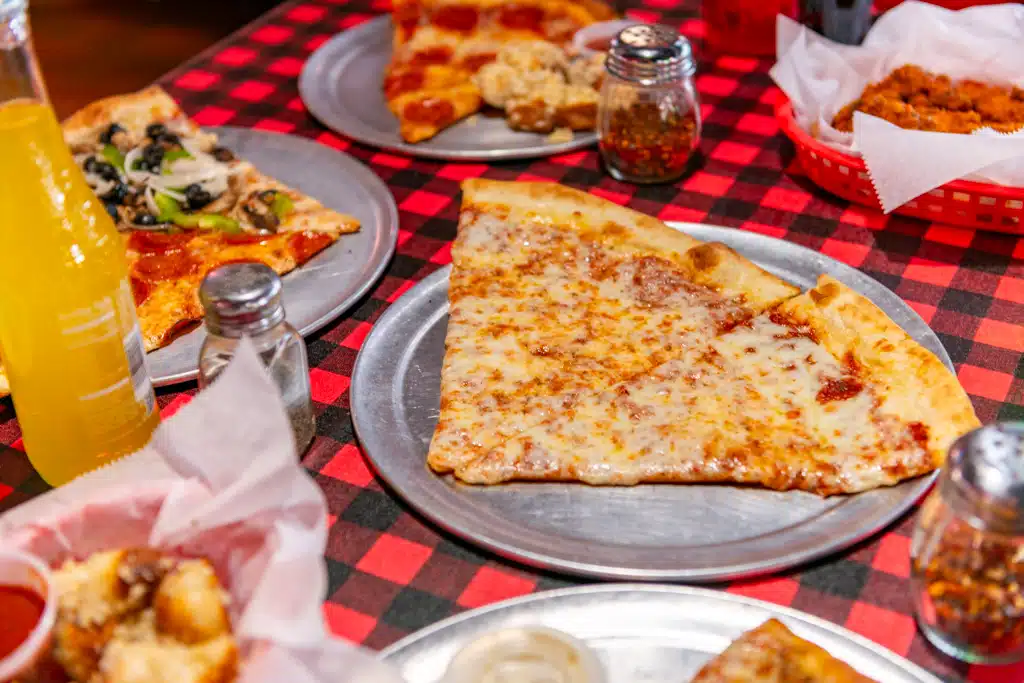


Walk into a great pizza restaurant and you can feel its confidence before you taste a slice. The room is not trying too hard. The menu is short enough to read without fatigue. The staff moves with purpose. The ovens are hot, the dough is ready, and the ingredients taste like someone cared about them before service even began.
That kind of simplicity is often misunderstood. From the outside, it can look easy. A small menu, a few toppings, a straightforward dining room, a familiar product. Yet the best operators know that simplicity is not the absence of effort. It is the result of ruthless editing, disciplined systems, and the patience to do ordinary things at a very high level, every single day.
Pizza is one of the most forgiving foods in the casual dining business, but it is also one of the most exposing. When a concept depends on dough, sauce, cheese, heat, and timing, there is nowhere to hide. Too much complexity shows up fast. So does carelessness. A pizza restaurant that consistently feels effortless is almost always powered by hard choices behind the scenes.
Simplicity begins with restraint
Many owners start with enthusiasm and too many ideas. They want New York slices, Neapolitan pies, Detroit squares, wings, pasta, salads, desserts, seasonal specials, craft cocktails, a lunch deal, a family pack, and late-night service. Every one of those ideas can sound reasonable on its own. Together, they turn a focused operation into a scattered one.
The strongest pizza restaurant concepts usually begin by asking a harder question: what are we willing not to do?
That question shapes everything. If the answer is that the house will be known for naturally fermented dough and high-heat baking, then the menu has to respect the oven, the station layout, and the pace of service. If the answer is quick neighborhood takeout at a sharp price point, then ingredient choices, box flow, staffing, and prep all need to support speed without collapsing quality.
This is where simplicity becomes strategic rather than aesthetic. A smaller menu reduces inventory complexity. Fewer SKUs mean less spoilage, fewer ordering errors, and tighter prep. Training becomes easier because cooks repeat the same movements hundreds of times. The team gets faster without cutting corners. Customers start recognizing the signature pies and ordering with less hesitation. Over time, consistency becomes part of the brand.
I have seen kitchens gain more from removing three underperforming items than from adding ten new ones. The reason is simple. Every menu item carries hidden costs. It takes refrigerator space, prep time, packaging decisions, ticket attention, and mental bandwidth. In a pizza restaurant, where the line already revolves around dough management and oven timing, extra complexity compounds quickly.
The menu should feel edited, not empty
There is a difference between a limited menu and an incomplete one. Guests do not want fewer choices for the operator’s convenience alone. They want confidence that what remains has been thought through.
A well-edited pizza menu often has a clear structure. There may be a few core pies, a build-your-own option, a short starter section, one or two salads that actually pair with pizza, and perhaps a dessert that requires little explanation. The point is not austerity for its own sake. The point is coherence.
A margherita tells a guest a lot about a restaurant. So does a plain cheese pie. If either one is an afterthought, the rest of the menu usually follows. Operators who understand simplicity make these anchor items obsessively well. They taste the sauce in small batches. They watch salt levels. They check how the mozzarella melts after a ten-minute hold for delivery, not just how it looks fresh from the oven. They know whether their basil bruises under heat or should be added after the bake. These details sound minor until they are the difference between a pie people remember and one they forget before the box is empty.
The same logic applies to specialty combinations. A pizza with six toppings is not automatically more generous than one with three. Often it is less disciplined. Good combinations create contrast and balance. Rich cheese needs acidity. Fatty meats need bitterness, heat, or lift. Delicate vegetables need enough exposure to the oven to develop flavor without collapsing into moisture that soaks the crust. Simplicity on the plate is usually evidence of complexity solved in advance.
Dough is where the truth lives
Every pizza restaurant has a style, but all styles answer to dough. That is where the craft becomes visible, and where simplicity reveals its demands.
Good dough asks for consistency more than romance. Flour matters, but so does storage. Hydration matters, but so does room temperature. Fermentation matters, but so does how the dough is handled once it leaves the cooler. Some operators talk beautifully about wild cultures and fermentation schedules, then undermine all of it by overproofing on a busy Friday or rushing balling during prep.
The guest does not see those decisions, but they taste them. A crust can be tough because the dough was under-fermented, dense because it was handled too aggressively, pale because the oven deck was not recovered between bakes, or gummy because toppings outpaced the structure of the base. In a complicated dish, some of those flaws can hide. In pizza, they do not.
This is one reason the best pizza restaurant operators become almost boring in their devotion to routine. They weigh dough. They track batch times. They know what a humid summer afternoon does to bench proofing. They adjust water temperature when the weather changes. They label carefully. They resist improvisation when predictability is what the dough needs.
That discipline is not glamorous, but it creates freedom during service. When dough behaves as expected, the line can move smoothly. A cook can focus on bake quality and finishing rather than rescuing flawed product. Simplicity for the customer begins with precision in prep.
Sauce, cheese, and toppings benefit from limits
When people talk about pizza, they often focus on toppings because toppings are visible. Operationally, toppings are only part of the story. The real challenge is proportion.
Sauce needs the right density for the style. Too loose, and the center can flood. Too tight, and it sits on the dough like paste. Cheese should support the bake rather than blanket it. Toppings need cut sizes that cook at the same pace as the pie. This is where less is frequently more. A restrained hand at the make line does not signal stinginess. It signals technical understanding.
A pizza restaurant that values simplicity tends to standardize what matters most. Portion cups are used where needed. Ladles match pie sizes. Cheese blends are tested not only for taste but for melt, browning, oil release, and performance in hold boxes. Pepperoni is chosen for cup-and-char behavior or flat coverage with intent, not by accident. Mushrooms may be roasted in advance to drive off water. Sausage may be pre-cooked just enough to render safely without losing texture in the final bake.
Customers might describe the result as balanced. In the kitchen, balance is built through limits.
One of the most common mistakes in developing a pizza menu is assuming value must always look maximal. More cheese, more meat, more toppings, more diameter, more choices. Yet many guests come back to a place because it tastes clean and repeatable. They can eat two slices and still want a third. The crust is crisp enough to fold or lift without collapse. The seasoning feels calibrated rather than loud. Those are not accidents. They are the product of editing.
The room should support the food, not distract from it
Simplicity is not just culinary. It is spatial. The physical environment of a pizza restaurant sends signals long before a pie arrives at the table.
A smart dining room makes a few decisions clearly. It tells guests where to order, where to wait, where to refill water, and where pickup happens. It gives staff clear routes. It minimizes bottlenecks. It considers what a family with children needs, what a solo lunch guest needs, and what a delivery driver needs at 7 p.m. On a Saturday.
Many operators overspend trying to create atmosphere through decoration when flow would do more for the guest experience. Beautiful tile and custom lighting have their place, but not if the host stand blocks the door or the takeout shelf causes a traffic jam around the dining room entrance. In a busy pizza restaurant, friction is rarely philosophical. It is physical. People need room to move, boxes need places to land, and hot food needs a direct path from oven to guest.
The same applies to acoustics and seating. A slightly noisy room can feel lively. A deafening one shortens visits and raises stress for staff taking orders. Tables that are easy to wipe and reset outperform fussy finishes that show every smear of flour and sauce. Open kitchens can work beautifully if they communicate craft, but only if they remain clean and controlled under pressure.
Simplicity in design means reducing decisions for the guest. They should spend their attention on whether they want mushrooms or fennel sausage, not on whether they are standing in the wrong place.
Service looks casual when the systems are tight
Some of the most polished service in hospitality happens in places that seem relaxed. A neighborhood pizza restaurant may not have white tablecloths or formal scripts, but it still needs timing, awareness, and standards.
When service is simple, the guest experiences only the finished version. Water appears before they ask. A box is offered at the right moment. A server knows which pie works for the person asking about spice levels. Pickup orders are verified without drama. A delivery estimate is realistic. Problems are corrected fast.
That ease usually rests on a few nonnegotiable habits:
- Tickets are organized so dine-in, takeout, and delivery do not compete blindly for oven space.
- Staff are trained to describe the menu in plain language rather than reciting jargon.
- Expediting focuses on accuracy and temperature, not just speed.
- The handoff at pickup includes a quick confirmation, because the cost of a wrong pizza is far higher than the cost of ten extra seconds.
- Managers watch the room and the screen at the same time, because digital chaos can wreck in-person hospitality.
Those habits are simple to describe and hard to maintain. The challenge is volume. A pizza restaurant may have calm stretches followed by forty minutes of intense compression. Phones ring, app orders stack, the oven is full, a driver is waiting, and table twelve wants another side of ranch. In those moments, complexity punishes weak systems.
Operators who master simplicity prepare for rushes before they happen. They stagger prep. They assign clear station responsibilities. They define what gets paused if the board spikes. They know whether quality drops after a certain ticket count and staff accordingly. Professional calm is not a personality trait. It is usually the visible effect of preparation.
Delivery tests the integrity of the whole operation
Few foods are ordered for off-premise consumption as often as pizza. That convenience is one of the category’s great strengths, but it also introduces a brutal truth. A pizza that eats beautifully in-house may decline sharply after twelve minutes in a box.
This is where many otherwise good restaurants stumble. They optimize for the oven pull and ignore the ride home. Steam softens crust. Cheese congeals. Herbs wilt. Fried sides lose structure. What seemed like a strong menu in the dining room becomes uneven in delivery.
A serious pizza restaurant tests this. It bakes the pie, boxes it, waits, then tastes it under realistic conditions. It chooses packaging based on venting and heat retention. It decides which items travel well and which should stay limited to dine-in. It may slightly underbake a delivery pie if the carryover and box environment demand it. It may cut some pizzas differently depending on style and destination. These are practical decisions, not compromises in spirit.
Technology can help, but only when it serves operations rather than replacing judgment. A cleaner online menu, sensible prep-time settings, and accurate order throttling matter more than flashy branding inside an app. If simplicity is the goal, the digital experience should mirror the physical one. A customer should be able to place an order quickly, understand what they are getting, and receive it in the condition promised.
Ingredient quality matters most when the format is simple
There is a common misconception that ingredient quality only matters at the luxury end of the market. Pizza disproves that. Because the format is stripped down, differences show clearly.
This does not mean every pizza restaurant must import everything or chase prestige ingredients. It means each choice should be intentional. If canned tomatoes are used, the operator should know their sweetness, acidity, and consistency. If cheese is blended, the blend should be tested in the actual bake environment. If local produce is featured seasonally, the team should understand how its water content and texture behave under heat.
The beauty of pizza is that a few strong ingredients can do an enormous amount of work. A properly seasoned tomato sauce, good mozzarella, ripe olives, and a well-fermented crust can feel complete without theatrics. The guest may not identify every reason the pie tastes balanced, but they recognize honesty when they eat it.
There is also a business advantage in this kind of restraint. Better ingredients on a narrower menu can be more sustainable than mediocre ingredients scattered across thirty options. Food cost must still be managed, of course, but simplicity gives operators room to spend where guests notice it most.
Staff culture often determines whether simplicity lasts
A concept can open with a clean menu and a clear identity, then drift as months pass. Specials pile up. Exceptions become habits. Standards loosen. The reason is usually not creative failure. It is cultural drift.
Simplicity has to be protected by the team, especially in a high-volume pizza restaurant where repetition can lead either to mastery or to complacency. Good staff culture is not about slogans in the break room. It is about whether people care enough to repeat the standard when no one is watching.
A seasoned dough cook knows the difference between following a recipe and understanding a process. A https://gravatar.com/ruffranoshellskitchenpizzasecurity strong shift lead notices when the make line is overloading pies because the new hire wants to be generous. A reliable cashier recognizes that a confused guest needs guidance, not ten rapid-fire questions. Over time, these habits define whether the restaurant remains clear in its identity.
The best leaders I have seen in pizza are rarely the loudest. They are the ones who correct small deviations early. They taste constantly. They explain why details matter. They make the line feel proud of getting the basics right. In a business built around a familiar product, pride in fundamentals is a competitive advantage.
There is an economic argument for simplicity, too
Simplicity is often discussed as a creative or culinary virtue, but it is just as important financially. A pizza restaurant with a focused operation has a better chance of protecting margins without making the experience feel cheap.
A concise menu simplifies purchasing. Prep labor becomes more predictable. Waste drops because fewer ingredients sit waiting for rare orders. Training time shortens, which matters in an industry with frequent turnover. Speed improves, and speed in pizza often translates directly into higher throughput during peak periods.
The economics are not perfect, and there are trade-offs. A small menu can turn away some guests. Narrow positioning can feel risky in a competitive market. Seasonal ingredient swings can hurt when a key item is central to the menu. But in practice, many operators find that clarity attracts the right customer more effectively than endless choice attracts everyone.
The strongest pizza restaurant brands understand this. They do not try to be all things to all neighborhoods. They become known for something specific, then make that thing dependable. Dependability may not sound romantic, but it is one of the most valuable qualities in hospitality. People return to places that remove doubt.
What guests remember is rarely complicated
Ask people why they love a certain pizza place and their answers are usually straightforward. The crust has the right chew. The sauce tastes fresh. The slices hold up. The staff is friendly. The order is always right. The room feels good. The place knows what it is.
That last point matters more than many owners realize. Simplicity communicates confidence. It tells the guest that the restaurant has made decisions on purpose. It is not hedging. It is not performing abundance. It is saying, in effect, this is our food, this is how we make it, and we stand behind it.
That confidence can be felt in tiny moments. The menu does not apologize. The pie arrives looking like the photo in your head. The box is packed carefully. The salad is dressed properly instead of dumped on the side. The soda fridge is stocked. The napkins are where they should be. None of this is dramatic. All of it matters.
A great pizza restaurant perfects the art of simplicity by respecting the ordinary. It understands that familiar food invites scrutiny because everyone thinks they know it. That is exactly why excellence has to be quiet, repeatable, and precise.
There is no shortcut to that kind of simplicity. It comes from subtraction, discipline, and taste. It comes from choosing the right few things and doing them so well that the guest never feels the effort underneath. When that happens, the restaurant does not seem limited. It feels complete.
RUFFRANO'S HELL'S KITCHEN PIZZA Security
385 Main St, Colorado Springs, CO 80911
(719) 390-4355
FAQ About pizza restaurant
Is there a Hell's Kitchen pizza restaurant in Security-Widefield?
Yes. Ruffrano's Hell's Kitchen Pizza has a Security-Widefield location at 385 Main St.
Where can I find pizza delivery in Security-Widefield?
Ruffrano's Security location offers online ordering. Enter your address at checkout to check delivery availability and fees.
Where can I find gluten-free pizza in Security-Widefield?
Ruffrano's menu lists a 12-inch gluten-free option. Call the Security location to confirm availability and ask about shared equipment if cross-contact is a concern.